Augusta University

 Stacey Hudson
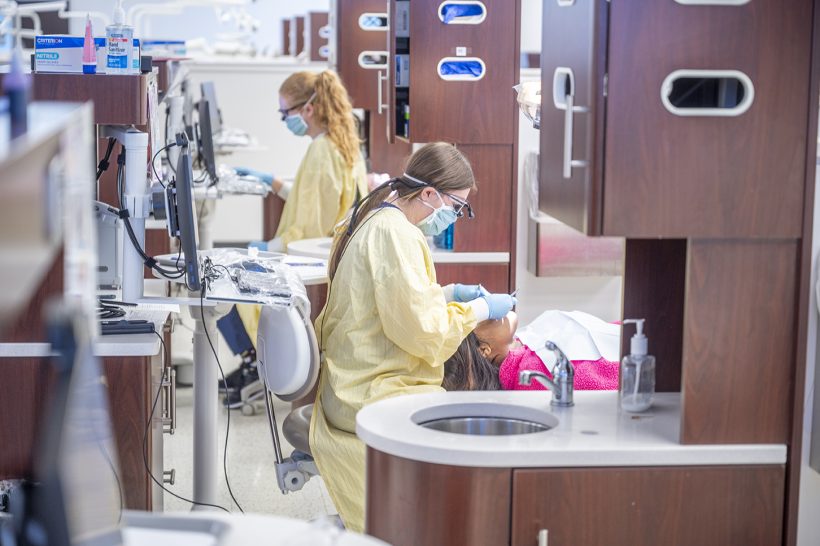
A good dental hygienist reads more than teeth.
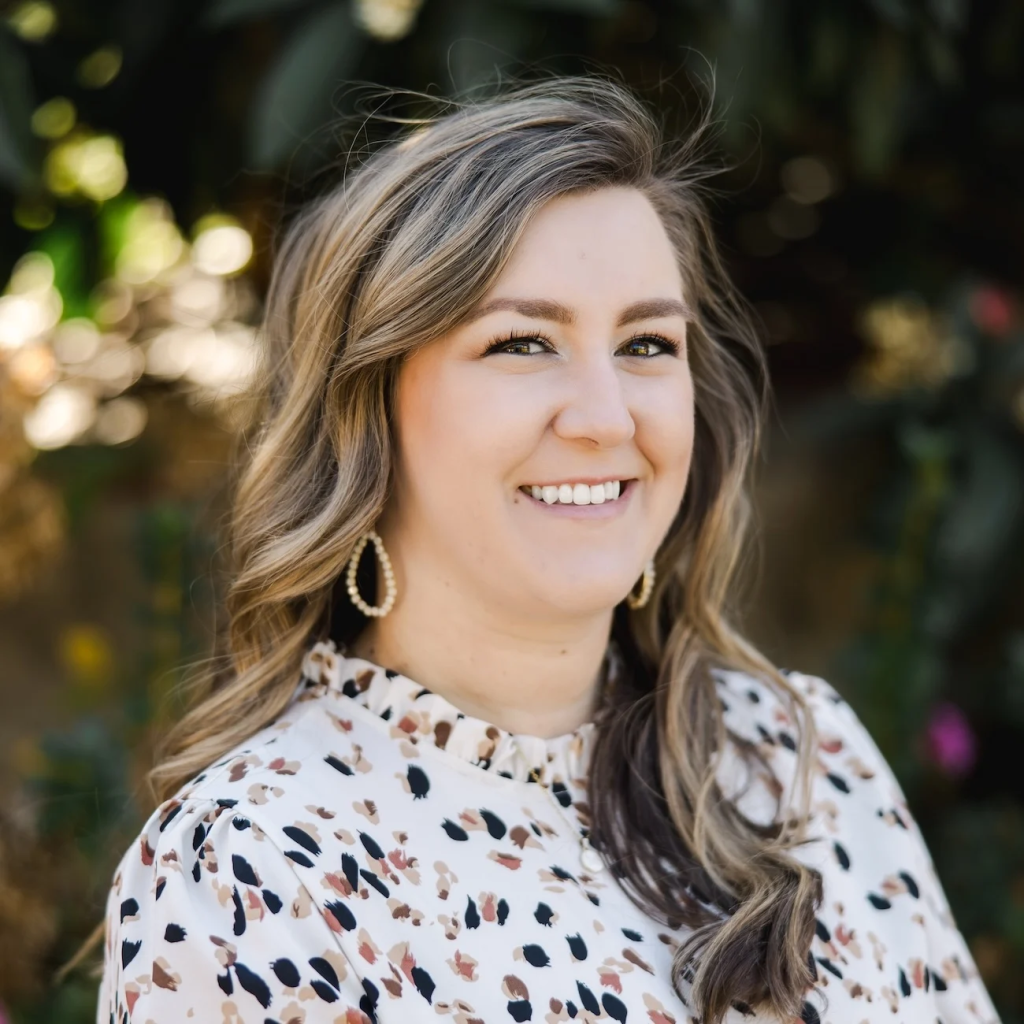
Meghan Watkins knows when a patient needs a lighter touch because their gums are sensitive. She can sense discomfort even when no one says a word, and she knows some patients feel better when they know exactly what’s coming next. Having seen some patients every six months for years, she also notices when something about them has changed.
That combination of clinical skill, observation and human connection is exactly what makes dental hygiene an increasingly compelling career choice as artificial intelligence changes the workforce.
“I don’t think a robot will take into consideration a patient’s feelings, or if something is uncomfortable or painful,” said Watkins (BSDH, 2020), a dental hygiene instructor at the Dental College of Georgia (DCG). “I will. I want them to come back and see me.”
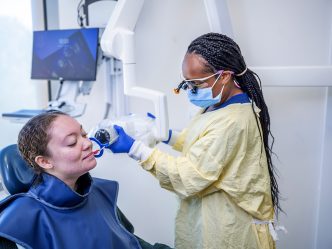
Dental hygienists work with technology every day, from imaging to electronic records, but technology is unlikely to replace the core of what they do. Hygienists need to work with precision in a patient’s mouth, recognize subtle changes, assess risk, make clinical decisions and adjust their care to the person in front of them.
And there is a growing need for people with those skills.
Demand is outpacing supply. Only 60% of dentists told the American Dental Association’s Health Policy Institute that they had enough hygienists in early 2026, and most of those actively hiring said candidates were hard to find. Federal projections point to 7% job growth through the next decade, and the median hygienist made $90,670 in 2024.
October is National Dental Hygiene Month, a fitting time to consider a profession that blends science, hands-on skill and human connection, and offers strong demand and opportunities beyond the clinic.
“People often consider hygienists’ work to be cosmetic procedures,” Watkins said. “Our work is actually part of your health care.”
Dental hygienists assess oral health, screen for disease, take X-rays, monitor changes and educate patients about prevention. They may notice inflammation, changes in oral tissues or other abnormalities that need further evaluation. Their work can reach beyond the mouth, too. Routine blood pressure screenings can, over time, reveal a trend worth discussing with a patient or physician.
The work is also deeply personal. Hygienists often follow the same patients for years, watching their lives change between appointmentsments.
“That’s the best part of my job,” Watkins said. “A lot of people you see every six months or so, and it’s crazy how much things change. ‘Oh, I’m engaged!’ And then they’re married and then having a baby.”
Watkins knows the value of that relationship from the patient side, too. She originally planned to become a teacher, but during a fall school break, a dental hygienist who helped her improve her own oral health encouraged her to consider the profession.
For students considering dental hygiene, clinical care is only one path. Graduates can pursue careers in education, research, public health, dental sales, technology, insurance and business. Some become entrepreneurs, public speakers or continuing education instructors.
“It’s surprising how much is available to someone with a dental hygiene degree,” Watkins said.
Like other hands-on health professions, dental hygiene has physical demands, particularly the repetitive movements and awkward positions involved in patient care. But for people who enjoy science, working with others and meticulous hands-on work, it offers a career in which technology can change the tools without replacing the person doing the work.
“We are the only health care professionals trying to work ourselves out of a job,” Watkins said. “At every turn, we’re trying to prevent disease. We’re looking for the smallest changes within the mouth and trying to combat anything driving them.”
For someone choosing a career in an AI-driven economy, that may be dental hygiene’s strongest selling point: The tools will keep changing, but the need for someone who can use those tools while caring for a person will remain.