Augusta University
 Stacey Hudson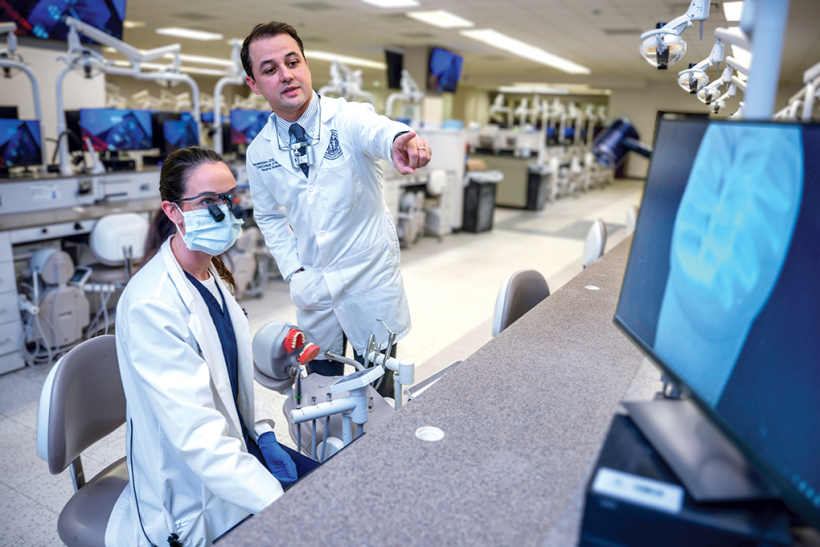
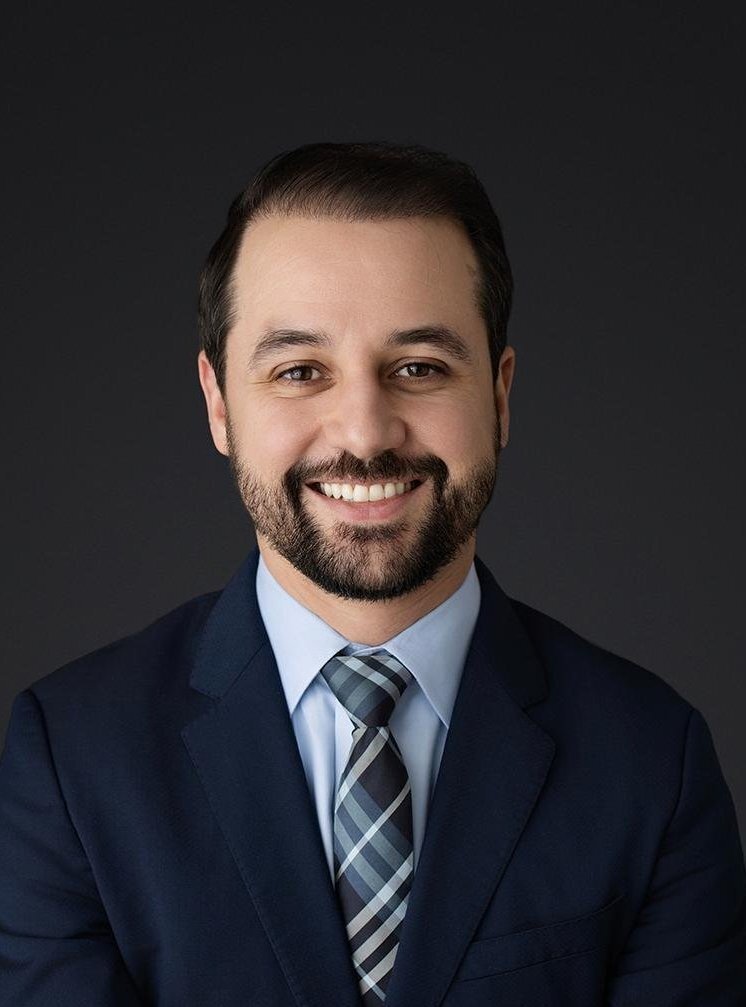
Dr. Rafael Pacheco, associate dean for digital technologies at the Dental College of Georgia, has been named the recipient of the 2026 Augusta University Individual Teaching Excellence Award for his commitment to teaching and learning, innovative approaches to student education and dedication to student success.
Pacheco was one of four faculty members and academic programs recognized with this year’s AU Teaching Excellence Awards. The Individual Teaching Excellence Award recognizes faculty who advance the quality and practice of teaching and learning, promote critical thinking, problem-solving and student engagement, and support students through mentoring, advising and interactions inside and outside the classroom.
The 2026 AU Teaching Excellence Award recipients also included Professor Daniel Routh, AU Online Teaching Excellence Award; the Clinical Nurse Leader Program, AU Program Teaching Excellence Award; and Dr. Elizabeth Culatta, AU Scholarship of Teaching and Learning Award.
For Pacheco, the recognition is especially meaningful because of his long connection to DCG.
“Coming to the Dental College of Georgia was a dream of mine back when I was doing my master’s and my PhD in Brazil,” Pacheco said. “I cannot count how many times I cited papers from here or read the name of what was then the Medical College of Georgia and thought that this was where I wanted to be.”
Pacheco first spent part of his PhD at DCG in 2014 and later returned as a faculty member, working alongside mentors and colleagues he had long admired.
“Receiving this recognition at a university this large, with this many outstanding faculty, is an honor I have a hard time putting into words,” he said. “It is an achievement I will always remember, and one I will always be proud to tell my son and daughter about.”
Pacheco teaches across multiple areas of dental education, from foundational dental materials and bioclinical science to operative and restorative dentistry and professional development. His approach combines traditional instruction with interactive and technology-based tools designed to help students understand complex concepts. Among the innovations he has developed are an adaptive learning tool for his courses, 3D interactive manuals published in the Journal of Dental Education and interactive resources such as the Shade Lab.
“I believe the job of a professor is to simplify complex concepts,” Pacheco said. “I am glad that students feel I can do that.”
He also values the opportunity to work with students in the simulation laboratory, where he can help them move from understanding a concept to applying it clinically.
“I love giving lectures, but I equally love the technical side, sitting in the sim lab with students and working through a difficult concept at the bench,” he said.
For Pacheco, the impact of teaching extends far beyond the classroom.
“In my office as a dentist, I can impact eight to 10 patients a day. By giving a lecture, I can impact hundreds of students who will go on to treat thousands of patients,” he said. “The multiplier effect of being a professor is enormous.”
That impact is one of the reasons Pacheco remains committed to teaching across every level of dental education, including predoctoral students, dental hygiene students, residents and continuing education audiences.
“I want to keep teaching,” he said. “My goal is simple: to take everything I learn and translate it into the clearest possible form for the learner.”
Dr. Theresa Gonzales, interim dean of DCG, said Pacheco’s commitment reflects the broader role faculty play in preparing future oral health professionals.
“Great healthcare educators do far more than teach; they inspire,” Gonzales said. “True mastery in instruction lies in making the complex clear, the challenging accessible, and the standard of care an unwavering commitment. Dr. Pacheco exemplifies these qualities every day, shaping the next generation of compassionate, skilled dental professionals.”
Pacheco also sees teaching and research as closely connected.
“I do not think you can teach evidence-based dentistry properly without doing research, and I do not think you can do meaningful research without teaching and staying connected to clinical practice,” he said. “Each one strengthens the other, so I try to treat them as one effort rather than two competing ones.”
Pacheco joins Dr. Catherine Jauregui, assistant professor in the Department of Oral Biology, who was among the 2025-2026 AU Teaching Excellence Award recipients.